


Services


If you've been living with chipped, worn, or broken-down teeth, you already know something isn't right. But what many of our patients are surprised to discover is just how far the effects of a compromised bite can reach. Chronic headaches, jaw soreness, tension through the neck and face are symptoms that patients often chalk up to stress or aging, never connecting them to what's happening inside their mouth. At Eclipse Smiles in Glenpool, Dr. Chris Andrus helps patients understand that connection, and more importantly, do something about it.
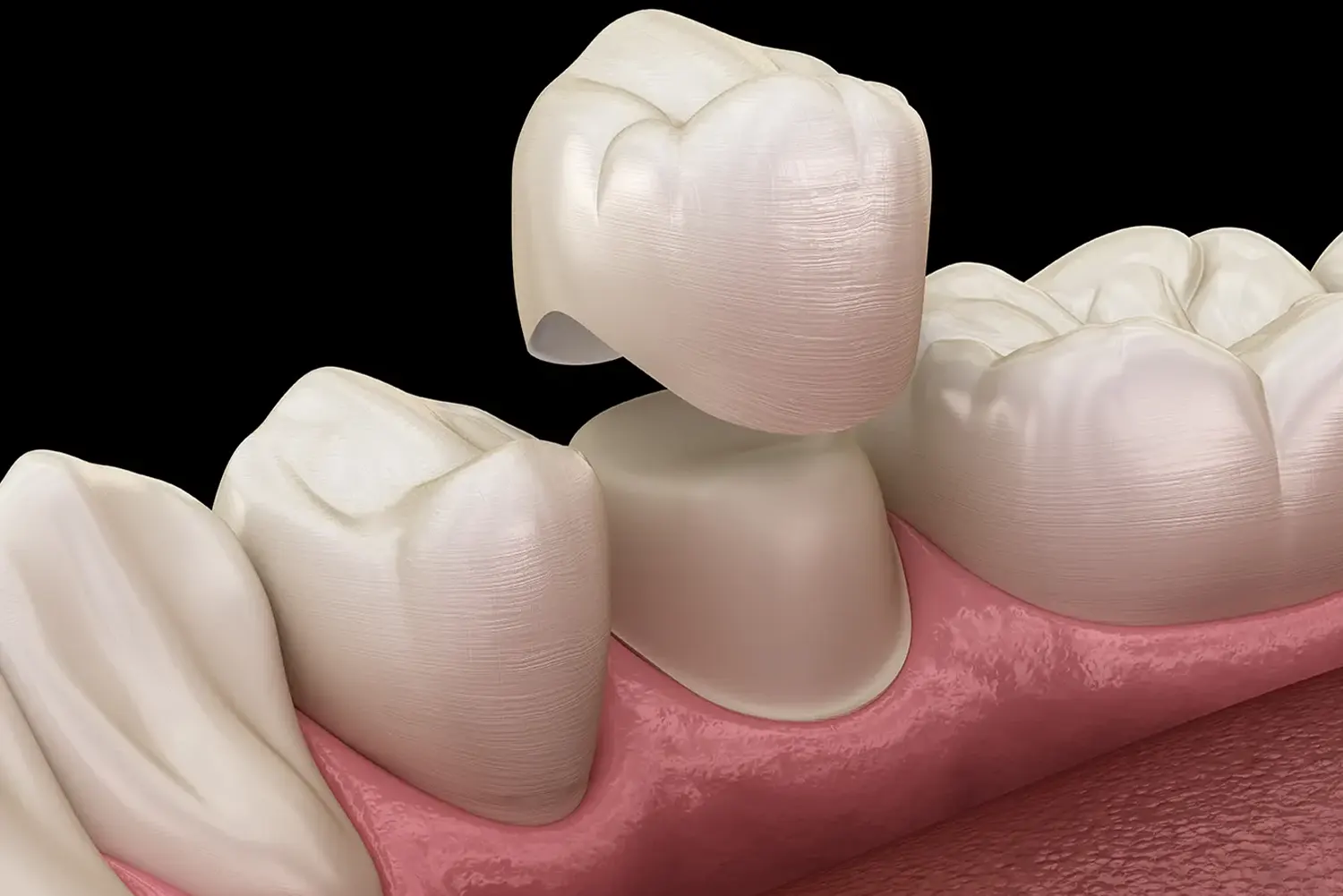
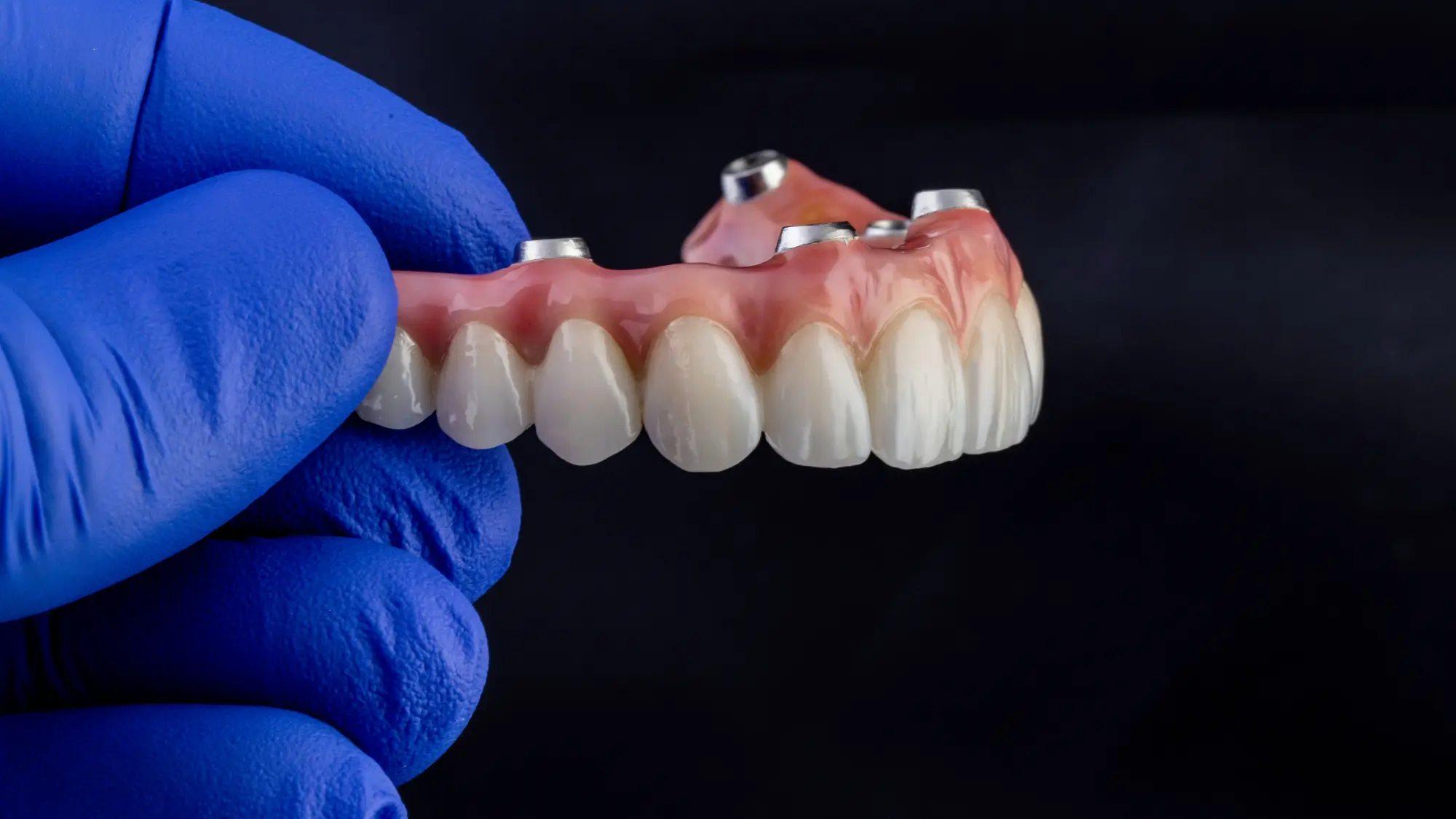
Full-mouth rehabilitation is one of the most comprehensive and transformative procedures we offer. It's not a single treatment. It's a carefully planned process that rebuilds your bite, restores your smile, and addresses the root causes of dental breakdown so you're not dealing with the same problems five years from now. For patients who've been struggling for years, it can genuinely be life-changing. Here's what you need to know.
Before we talk about treatment, we talk about cause. One of the first things Dr. Andrus looks at is how a patient arrived at the state their teeth are in. Was it chronic grinding? A tooth in the wrong position? A jaw joint that's been out of alignment for years? Trauma? The "how" matters enormously, because if we don't address the underlying cause, any restoration we place is going to face the same forces that broke down your teeth in the first place.
Once we've identified what's driving the wear, we move into the diagnostic and planning phase. This involves scans, photos, and detailed measurements that we send to our lab. From there, we create what's called a mockup, a trial version of your new smile that lets us test the proposed tooth position before anything permanent is done. We look at how your jaw joint responds, whether your muscles relax into that position, and whether the temporaries we place are holding up under normal function. Those temporary teeth are important because they mimic exactly what your final result will look like. If they're stable and comfortable, we know we've found the right position.
This diagnostic phase isn't something we rush. It's the foundation the entire case is built on, and getting it right from the start is what makes the difference between a result that lasts and one that doesn't.
One of the most common questions we hear is whether full-mouth rehab can be done one arch at a time. It's a reasonable question, especially when you're thinking about managing the process in stages. The honest answer is that in most cases, it can't, at least not if you want the outcome to be right.
When someone has ground their teeth down significantly, the bite doesn't just wear at the surface level. It collapses. The relationship between the upper and lower teeth changes, and restoring only one arch without addressing the other means you're building on an unstable foundation. The newly restored teeth end up absorbing forces they weren't designed for, and you risk breaking down the very work you just had done.
The exception is when implants are involved. Because implants have their own timeline for integrating with the bone, there are situations where staging is appropriate. But when the goal is to restore a collapsed or severely worn bite, both arches need to be treated simultaneously so that the final result functions the way it should. We can absolutely split the work across multiple appointments, one day for prep, another for delivery, but the overall case needs to be addressed as a whole.
This is the part that surprises patients most. Many people come to us focused entirely on how their teeth look, not realizing that the breakdown happening in their mouth has been quietly affecting how they feel every single day.
Your teeth, jaw muscles, and jaw joint are all part of the same system. When your bite is off, that misalignment doesn't stay contained to your mouth. Your muscles compensate. Your jaw joint absorbs forces it wasn't designed to absorb. Over time, that shows up as tension headaches, migraines, soreness in the face and neck, and a persistent sense of tightness that never quite goes away. Patients who've dealt with these symptoms for years, sometimes decades, often have no idea their bite is involved.
When we rebuild the bite and put everything back into harmony, those symptoms frequently resolve on their own. The grinding quiets down. The headaches become less frequent or disappear entirely. The sensitivity fades. Patients describe chewing differently, feeling different. It's not just that their teeth look better, their whole system is finally working the way it's supposed to.
There's a principle in dentistry that guides how we approach every full-mouth rehab: form follows function. The shape, position, and design of your teeth aren't arbitrary. Each tooth type has a specific job. Your front teeth are built to cut and chop. Your canines guide the bite through side-to-side movement. Your molars are designed to crush and grind. When teeth end up doing jobs they weren't designed for, because of position, wear, or missing teeth, that's often where the breakdown begins.
So when we rebuild a smile, we start by restoring proper function. We make sure each tooth is in a position where it can do its job without overloading the teeth around it. Once that functional foundation is in place, the cosmetic result follows naturally.
And yes, we think carefully about aesthetics. We follow the golden proportions, which means we look at how your teeth relate to your face, your lip line, your smile arc, and your overall features. We're not putting a generic set of teeth in your mouth. We're designing a smile that fits you, your face, your proportions, your personality. The goal is a result that looks natural because it was built to fit the person in front of us.
The timeline for full-mouth rehab varies depending on what's driving the case. For patients whose primary issue is wear from grinding, the process can move relatively quickly. Within about three weeks, we can have a wax-up ready, place it in your mouth, and get you into temporary teeth. From there, we monitor, refine, and finalize your case.
For patients whose teeth are in the wrong position to begin with, whether that's due to a misaligned bite or missing teeth, the timeline is longer. Orthodontic treatment to move teeth into the right position before rehabilitation can take anywhere from 12 to 18 months. If implants are part of the plan, those typically require 3 to 6 months to integrate. So in those cases, we're looking at a total process that could run 18 months to two years from start to finish.
The reason we're transparent about this upfront is that full-mouth rehab is a significant investment of time and resources, and we want patients to be genuinely ready. If someone isn't in a place in their life where they can commit to the full process, we won't push them into it. We'll talk honestly about where they are, and in the meantime we may recommend a night guard to slow down the wear and protect what's there. When the time is right, we'll be ready to move forward.
Full-mouth rehab appointments are involved. There's no way around that. But what we can control is how comfortable those appointments feel for you, and that's something we've put a lot of thought into at Eclipse Smiles.
For patients who have dental anxiety or who simply need to get through a long appointment, we offer several levels of sedation. Nitrous oxide (laughing gas) is available for patients who want to take the edge off while staying fully aware and responsive. For those who need more support, we offer oral sedation in the form of a sedative pill, and for deeper relaxation, we can combine nitrous oxide with a series of medications that produce a profound calming effect. At that level, many patients don't remember the appointment at all, not because they're unconscious, but because the medication has an anterograde amnesia effect. You're still responsive throughout, but the memory of the experience simply doesn't form. It's one of the most effective tools we have for getting patients through complex procedures comfortably.
Beyond sedation, we've built a comfort-focused environment throughout our office. We have dimming lights, noise-canceling headphones, TVs with Netflix and Disney Plus, massage chairs, and heating blankets. We call it our comfort menu, and patients can choose whatever combination helps them feel most at ease. For full-mouth rehab cases, we frequently open Saturday appointments or schedule patients as the only person on the schedule that day so Dr. Andrus can give the case his full, uninterrupted attention.
Patients who complete full-mouth rehab almost universally describe it as one of the best decisions they've ever made. Not because it was easy or quick, but because of what life looks like on the other side.
The pain relief alone is transformative for many people. Headaches they've had for years fade. Jaw soreness they'd accepted as normal disappears. Sensitivity that made eating uncomfortable is gone. And beyond the physical relief, there's the confidence that comes with knowing your smile is stable, beautiful, and built to last. The restorations we place won't stain. Whatever color we deliver on day one is the color they'll stay. You can brush, floss, and maintain them just like natural teeth, and you can eat without worrying about what might crack or chip.
You get your function back. You get your aesthetics back. And for a lot of patients, you get a version of yourself back that you'd forgotten was possible.
If you've been wondering whether full-mouth rehabilitation might be right for you, we'd love to talk. Dr. Chris Andrus and the team at Eclipse Smiles in Glenpool are here to help you understand your options and put together a plan that fits your life. Call us at (918) 943-0282 to schedule your consultation.



.jpg)


