


Services

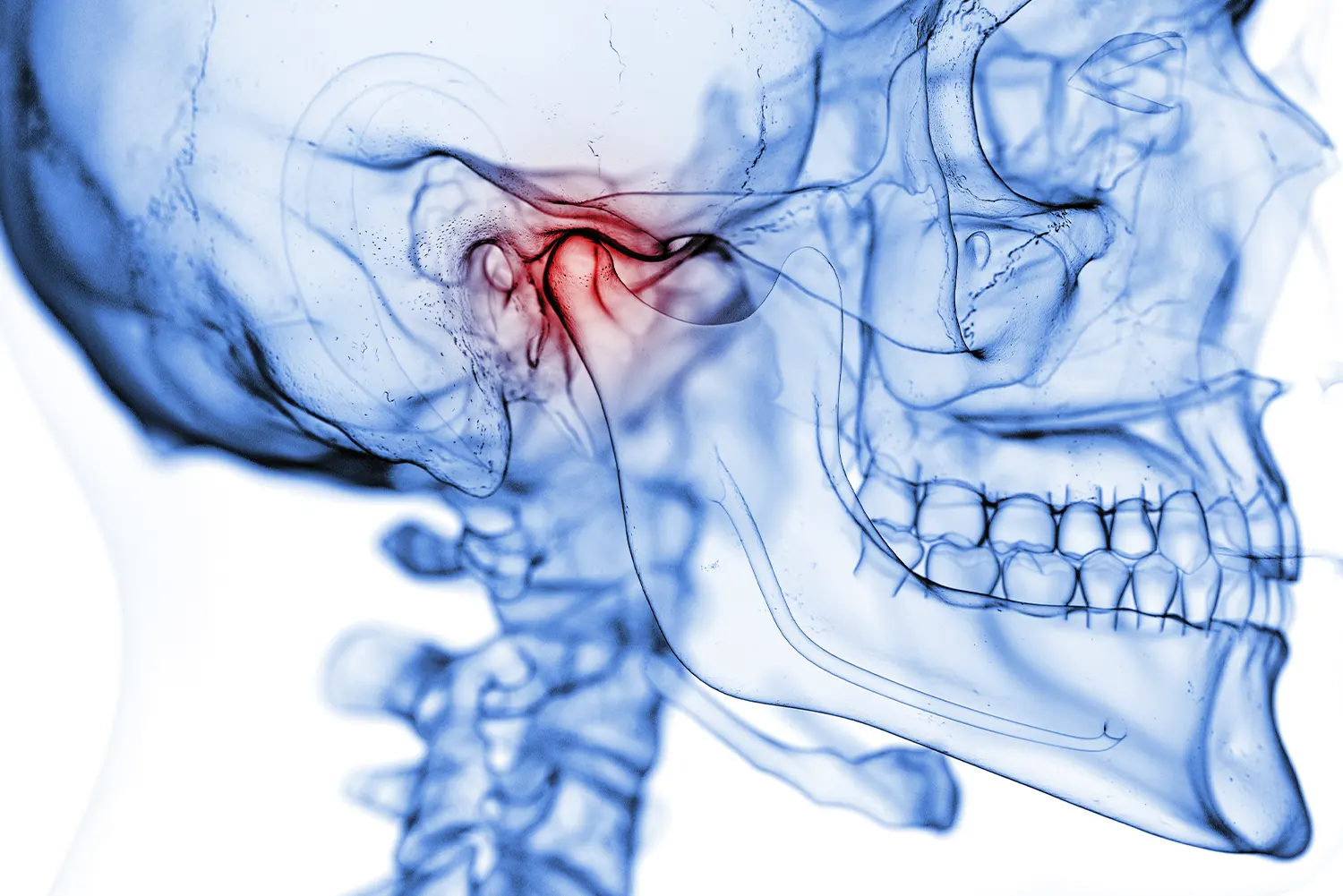
Headaches can come from a lot of places. Stress, poor sleep, dehydration, screen time, tension, posture, and a long list of other daily habits can all play a role. But when headaches show up alongside jaw pain, facial tension, tooth wear, clenching, grinding, or popping in the jaw, there may be another factor worth considering: your bite.
At Eclipse Smiles in Glenpool, OK, we often see patients who have been living with jaw discomfort or frequent headaches for so long that they have started to think of it as normal. They may wake up with tension. They may notice soreness while chewing. They may hear clicking or popping when they open their mouth. Or they may simply feel like their jaw never fully relaxes.
In many cases, these symptoms may be connected to TMD, or temporomandibular joint disorder. TMD affects the jaw joints, muscles, and bite system that help you chew, speak, yawn, and move your jaw comfortably. When your teeth, muscles, and joints are not working together the way they should, the strain can show up as jaw pain, headaches, tightness, and even trouble sleeping.
The good news is that relief may be simpler than you think. For some patients, a custom night guard or bite splint can help place the jaw in a more comfortable position, reduce grinding pressure, and ease the tension contributing to daily discomfort.
If you are experiencing headaches or jaw pain in Glenpool, call Eclipse Smiles at (918) 943-0282 to schedule an evaluation.
TMD refers to problems involving the temporomandibular joints, which are the joints that connect your jawbone to your skull. These joints sit on each side of your face, just in front of your ears, and they allow your jaw to move up, down, forward, backward, and side to side.
Because the jaw joint is used so often throughout the day, even small imbalances can become noticeable. If the bite is uneven, the jaw muscles are overworked, or the teeth are under constant pressure from clenching or grinding, the jaw joint may become strained.
TMD is not always dramatic at first. It can begin with symptoms that seem easy to ignore, like mild popping, occasional headaches, or tightness after a stressful day. But over time, that repeated stress can make symptoms harder to dismiss.
Some of the most overlooked signs of TMD are the ones patients have been living with for years. Many people assume jaw popping, tension headaches, or morning soreness are just part of life. They may say, “I’ve always had that,” or “It’s not a big deal.”
But these symptoms are your body’s way of telling you something may be off.
Common signs of TMD may include:
Even if the symptoms feel mild, it is worth having them evaluated. A dentist can look at your bite, teeth, jaw, and muscles to see whether the source of your discomfort may be coming from how your mouth is functioning.
Your bite is the way your upper and lower teeth come together. Ideally, your teeth should meet in a balanced way that supports the jaw joints and muscles. But when the bite is not making contact evenly, your jaw may have to work harder to compensate.
That extra effort can create strain. If one side of your mouth is taking more pressure than the other, if missing teeth are causing you to chew unevenly, or if your jaw is shifting to find a comfortable resting place, the surrounding muscles may stay tense.
Over time, that tension can travel beyond the jaw. The muscles around the head, neck, face, and jaw are closely connected, which is why bite-related issues can sometimes feel like headaches, facial pressure, or neck discomfort.
For some patients, the pain is not caused by one single problem. It may be a combination of stress, clenching, grinding, bite imbalance, and muscle tension all working together.
Stress is one of the biggest contributors to jaw tension. Some people clench during the day without realizing it. Others grind their teeth at night while they sleep. In both cases, the jaw joint and muscles are placed under repeated pressure.
This can create a cycle. Stress causes clenching or grinding. Clenching and grinding strain the jaw. Jaw strain leads to pain, tightness, and headaches. Then poor sleep or daily discomfort can make stress feel even worse.
Because nighttime grinding often happens unconsciously, many patients do not realize they are doing it until they notice symptoms. You may wake up with jaw soreness, sensitive teeth, headaches, or a feeling that your mouth has been working all night.
A custom night guard or bite splint can help interrupt this pattern by creating a protective, more comfortable position for your teeth and jaw.
When evaluating TMD, it is important to look at the whole picture. At Eclipse Smiles, we do not only look at the jaw joint by itself. We consider how the head, jaw, neck, teeth, muscles, and bite all work together.
This may include checking whether you bite more heavily on one side, whether certain muscles are overactive, whether you are missing teeth, or whether your bite pattern is forcing your jaw into an uncomfortable position. We also consider whether symptoms happen more during the day, at night, or during stressful periods.
This comprehensive approach matters because jaw pain is not always caused by the same thing for every patient. One person may need a night guard to protect against grinding. Another may have an uneven bite that needs to be addressed. Someone else may have missing teeth that are causing one side of the mouth to do more work than the other.
By looking at the entire system, we can better understand what may be contributing to your discomfort and recommend a treatment that fits your needs.
Night guards and bite splints can be incredibly helpful for patients with jaw pain, headaches, clenching, or grinding. These devices are custom-made to fit your mouth and support a more comfortable jaw position.
A bite splint or night guard can help by:
While store-bought guards may seem convenient, they are not designed around your unique bite. A custom device from your dentist can provide a more precise fit and better support for the jaw.
For many patients, this type of treatment can feel surprisingly life-changing. Something as simple as a custom night guard may lead to fewer headaches, less jaw soreness, better sleep, and a greater sense of focus throughout the day.
Modern dental technology gives us a clearer view of how your bite and jaw are functioning. Digital scans can help us evaluate how the teeth come together and how the jaw makes contact.
Unlike a flat, two-dimensional image, digital scanning can provide a more complete picture of your teeth, bite, and supporting structures. This helps us better understand where pressure may be concentrated and how we can create a treatment plan that supports more comfortable function.
For patients with TMD symptoms, this added detail can be incredibly helpful. It allows us to see more than just the symptoms. We can look at the mechanics behind them.
If you have frequent headaches and jaw pain, it is worth scheduling a dental evaluation. This is especially true if you also notice popping, clicking, grinding, clenching, tooth wear, or morning soreness.
You do not have to wait until symptoms become severe. In fact, earlier evaluation may make treatment simpler. If your symptoms are connected to your bite or jaw position, a conservative solution like a night guard or bite splint may help reduce strain before the problem progresses.
A dental visit can help you understand whether your discomfort may be related to TMD, your bite, or nighttime grinding. Even if your headaches have another cause, ruling out bite-related strain can be an important step toward finding relief.
Living with headaches and jaw pain can affect more than your mouth. It can change how well you sleep, how clearly you focus, how much energy you have, and how present you feel throughout the day.
At Eclipse Smiles, we help patients in Glenpool understand the possible connection between their bite, jaw tension, and daily discomfort. With a thoughtful evaluation, digital technology, and custom treatment options like night guards and bite splints, we can help you take the next step toward relief.
If you are tired of waking up with jaw pain or pushing through frequent headaches, call Eclipse Smiles at (918) 943-0282 to schedule your consultation today.



.jpg)


